
Timing is key to the Perfect autumn planters
Timing is everything with autumn planters. If you wait until October, it’s often too cold for plants to grow. The easiest option is to use fully grown plants already in flower and pack the planter well for instant impact.
If you can plan ahead, having two sets of pots is ideal. Plant your autumn displays in August or early September, then simply swap them over when your summer pots finish.
Autumn plants are hardy and only need protection in severe weather. Remember to keep watering—pots can still dry out in winter. Cold, drying winds (think Beast from the East) can damage plants when roots are frozen and can’t take up water.
With a little care—watering, deadheading, and a feed in spring—violas, primroses, bellis, and wallflowers will grow and flower again the following spring.
For an extra treat, add spring-flowering bulbs. Mini daffodils like Tête-à-Tête give early colour, while hyacinths and tulips follow in March and April for a surprise burst of colour
A Simple Way to Choose Plants
Plants naturally grow in different ways. Some grow tall, some spread out, and some trail over the edges. Once you understand this, putting a planter together becomes much easier.
Plants are very forgiving—and so is planter design. Start simple, trust your eye, and enjoy the process. The more you play, the more confident you’ll become.
planter design tips link
Thriller, Filler, Spiller – Made Easy
Creating a great-looking planter is simple with the Thriller, Filler, Spiller method.
- Thriller – one taller plant for height and impact
- Filler – plants that fill the pot with colour and texture
- Spiller – trailing plants to soften the edges
It’s an easy, beginner-friendly way to build full, balanced spring pots with instant results—perfect for first-time designers.
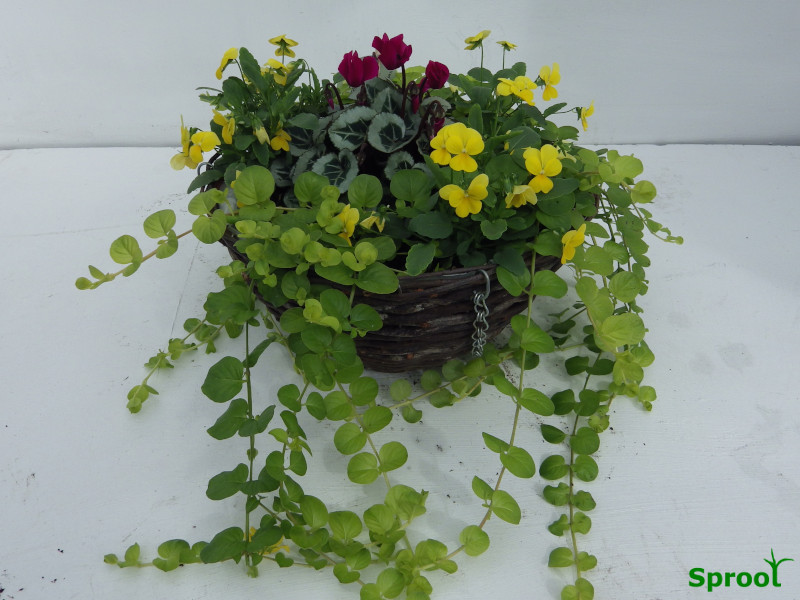
Autumn winter spillers
A range of trailing plants to provide colour and shape to your…
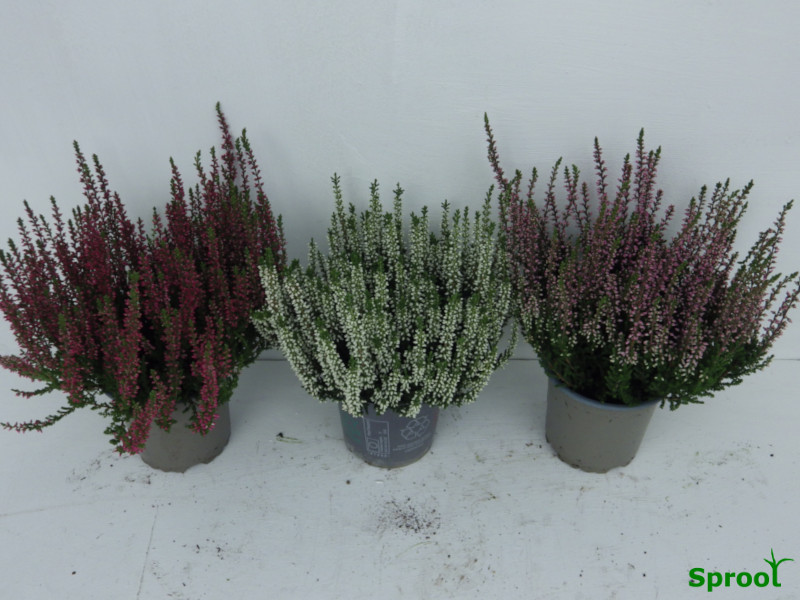
Autumn winter fillers
A range of bushy flowering and foliage plants Bud heathers can add…
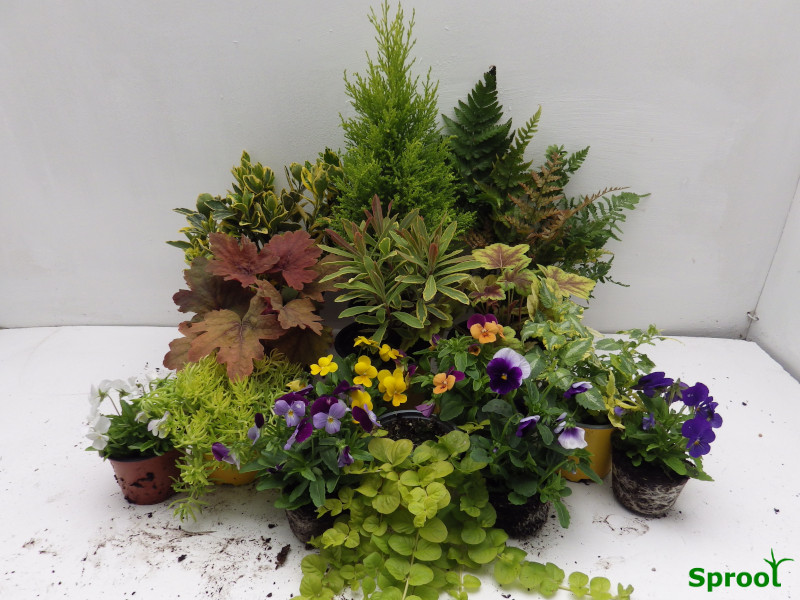
Autumn winter thrillers
A range of plants that are perfect for using in winter patio…
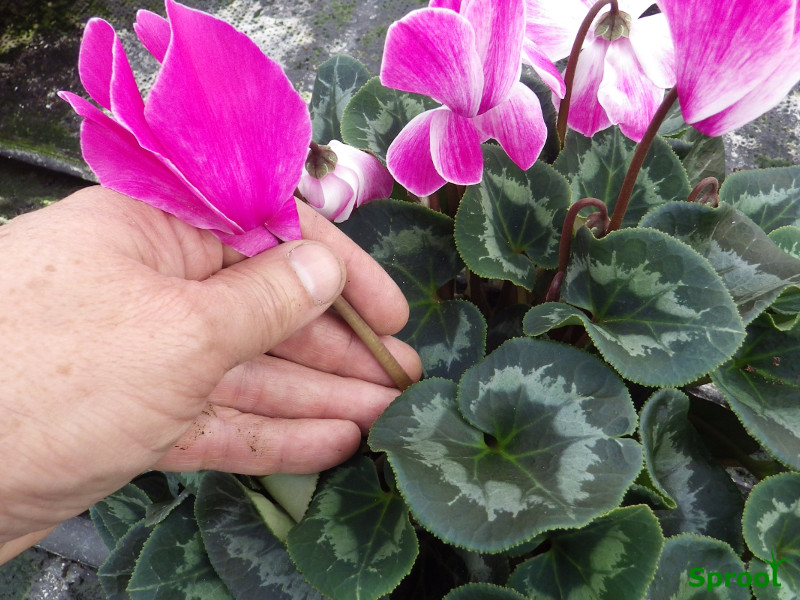
How to buy and look after cyclamen
If you looked in any old gardening book the idea of using…
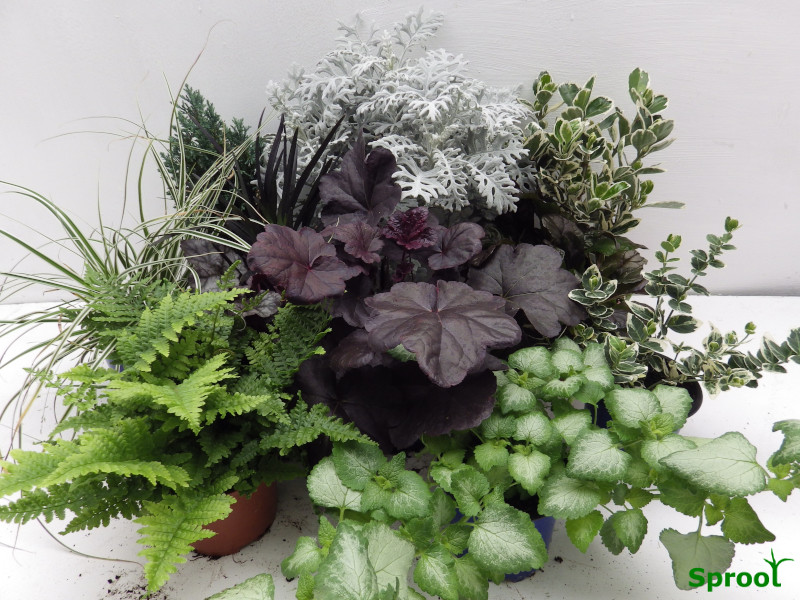
Autumn patio pots and hanging baskets
The most important thing about planting autumn planters is timing, if you…
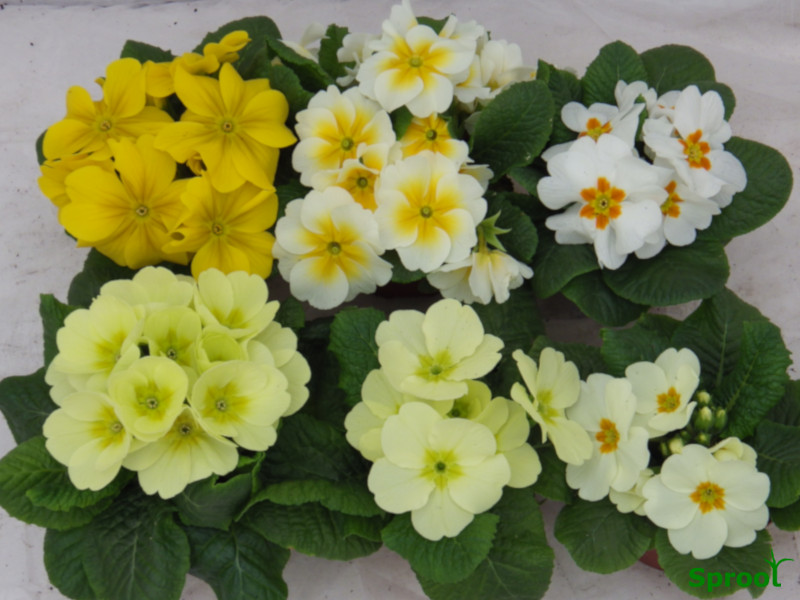
How to Buy Primroses
Probably the most popular spring flower.Stunning colours often sweetly scented they brighten…
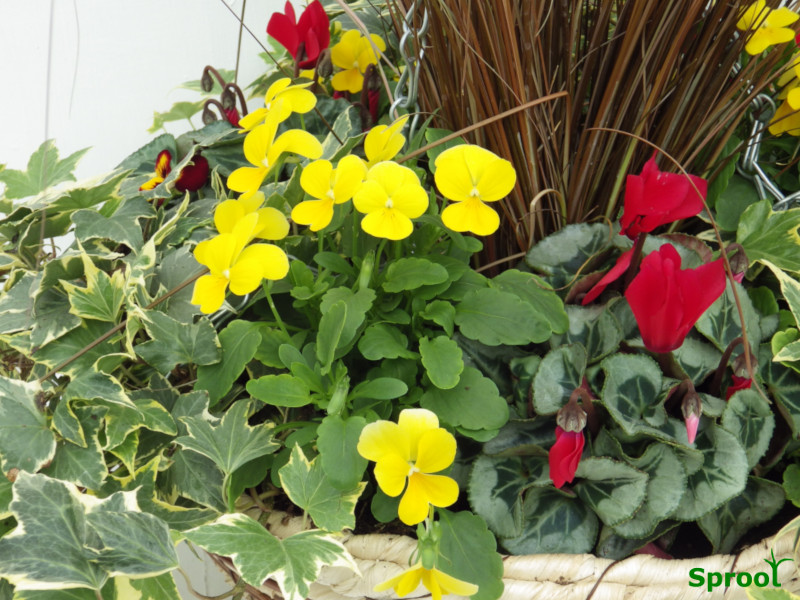
Autumn Cyclamen
If you looked in any old gardening book the idea of using…
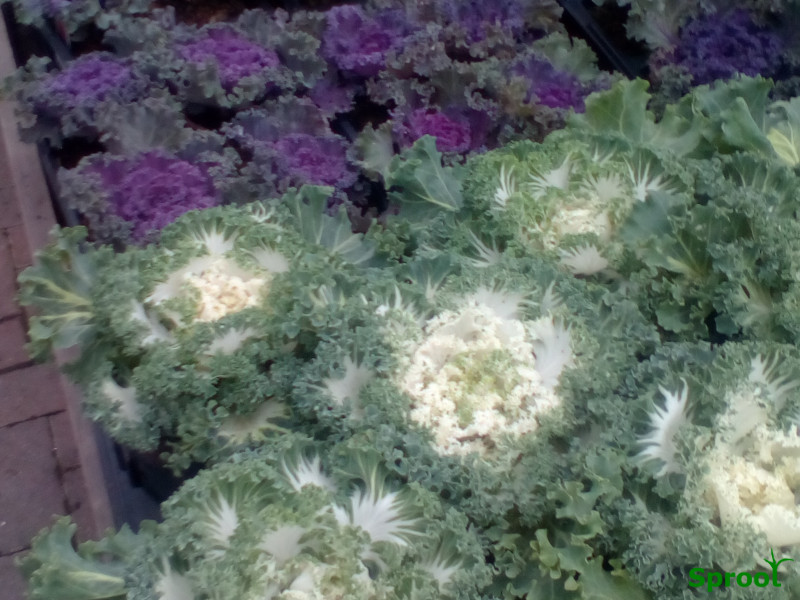
Ornamental cabbage
The humble cabbages flamboyant cousin, usually sold in full glorious technicolour, ranging…
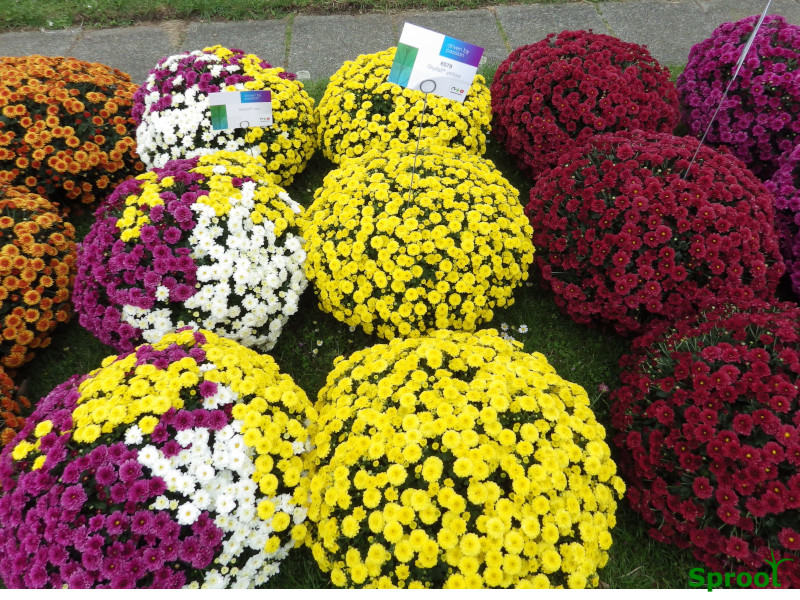
Garden Mums
Not really a plant, but the name given to autumn flowering dome-shaped…
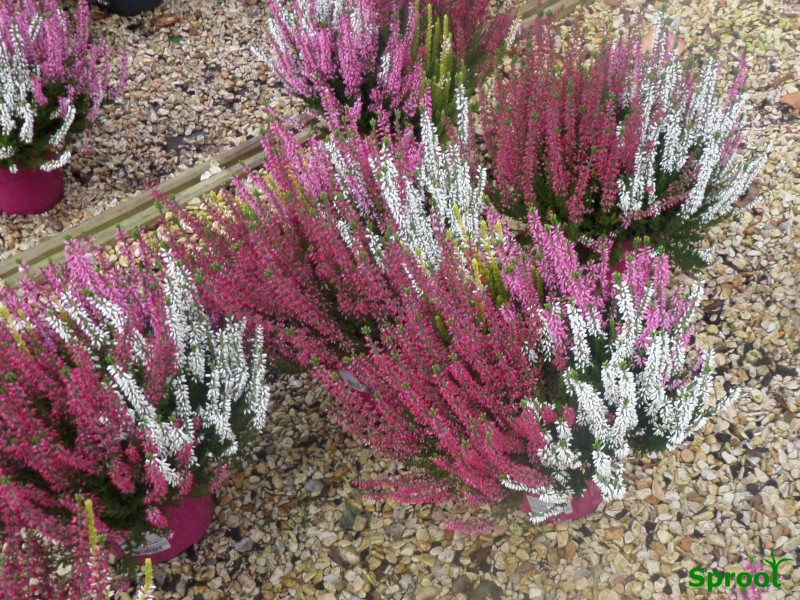
Autumn heathers
A range of heathers that flower throughout the autumn, from the traditional…
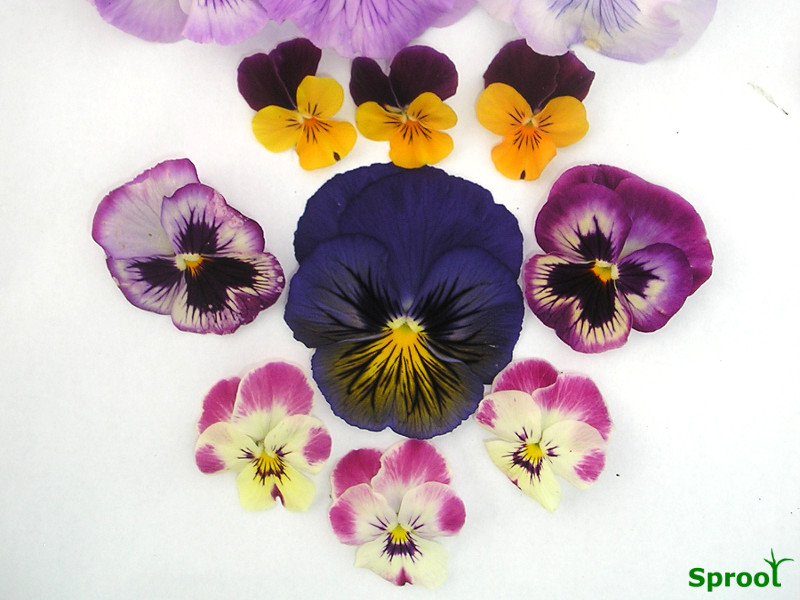
Autumn & Winter Violas
They will flower longer than pansies, often well into the winter. Most…