Caterpillars are a common sight in UK gardens, especially in spring and summer. They are the larvae of moths and butterflies and feed on plant leaves. Some damage is normal, but large numbers can quickly strip plants.
How to Spot Caterpillar Damage
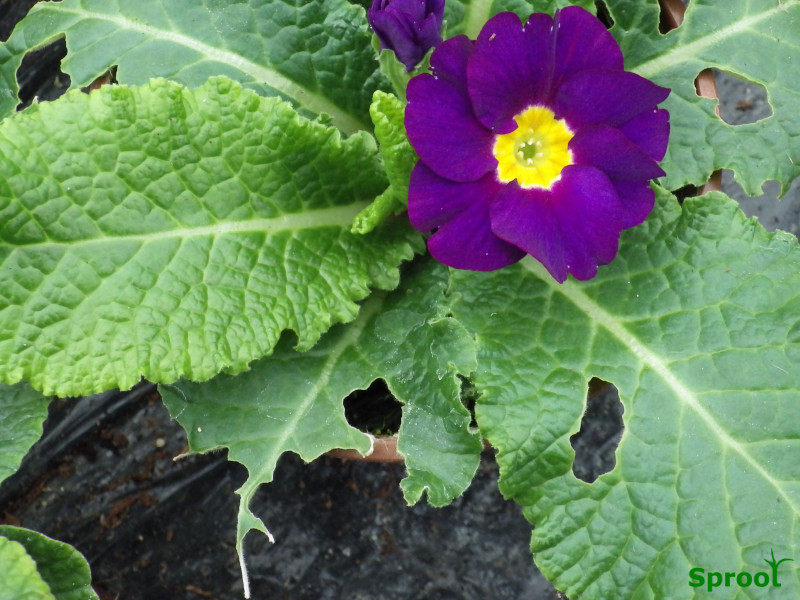
- Holes in leaves or ragged edges
- Chewed stems or buds
- Droppings (small black pellets) on leaves or soil
- Caterpillars often hiding on the undersides of leaves
Common plants affected include brassicas, bedding plants, herbs, and shrubs.
What Helps
- Check plants regularly, especially leaf undersides
- Hand-pick caterpillars and move them elsewhere
- Cover plants with netting to stop butterflies laying eggs
- Remove badly damaged leaves
Biological Control 🐞
A natural option for control:
- Use Bacillus thuringiensis (Bt), a biological treatment
- Bt targets caterpillars only and is safe for other insects, pets, and wildlife
- Apply when caterpillars are small for best results
Sproot Top Tip 🌿
Not all caterpillars are bad—many become beautiful butterflies. Aim for balance: protect your plants while allowing space for wildlife where you can.