
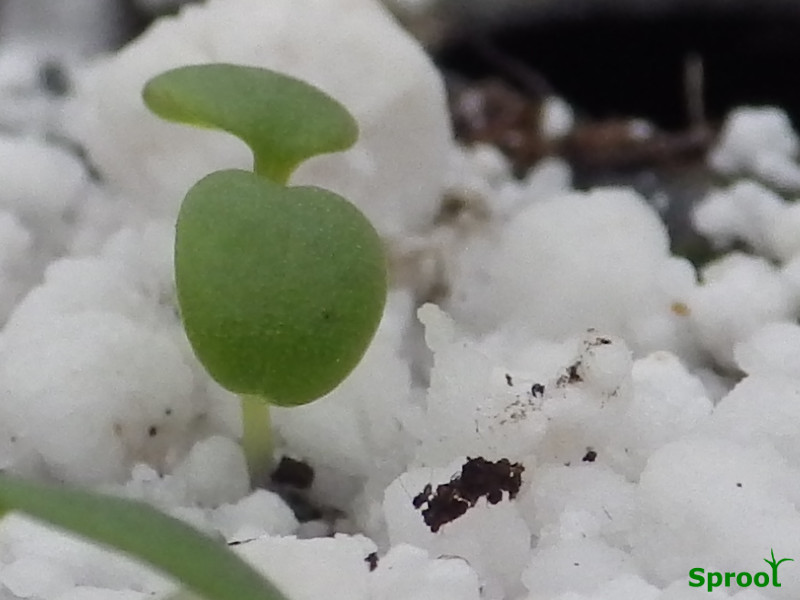
Plants are incredibly forgiving. They want to live; we just need to provide the right “conditions” for them to do their job.
To avoid a gardening disaster, you need to know which group your plant belongs to. If you’ve ever followed a recipe, you’re already halfway to being a gardener. At its heart, gardening is just slow-motion baking where the kitchen is where you grow the plant, the baking tin is the pot or garden and the oven is the sun.
When you start growing, look for information on your plants, it is difficult to bake without instructions, the same applies to growing
Bake a cake at the wrong oven temperature and you will get a burnt offering or a sticky mess, make sure you know what your plant wants, what type of plant is it, plants have preferred temperatures, read the labels or ask advice.
Plants are very forgiving all we need to do is to help them along by giving them the right conditions.
Plants need light, water and food. If any of these go missing your plant will die, luckily most of them are free.
Light.
We get light free from the sun. All we have to do is make sure the plants get enough.
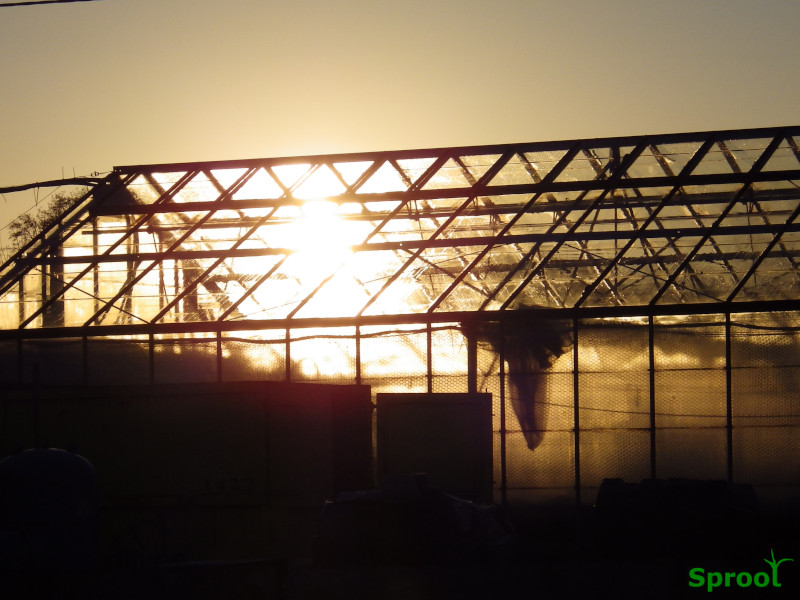
Water
It’s almost free, it falls out of the sky, unfortunately not always when we want it. Plants need a constant supply of water to grow.
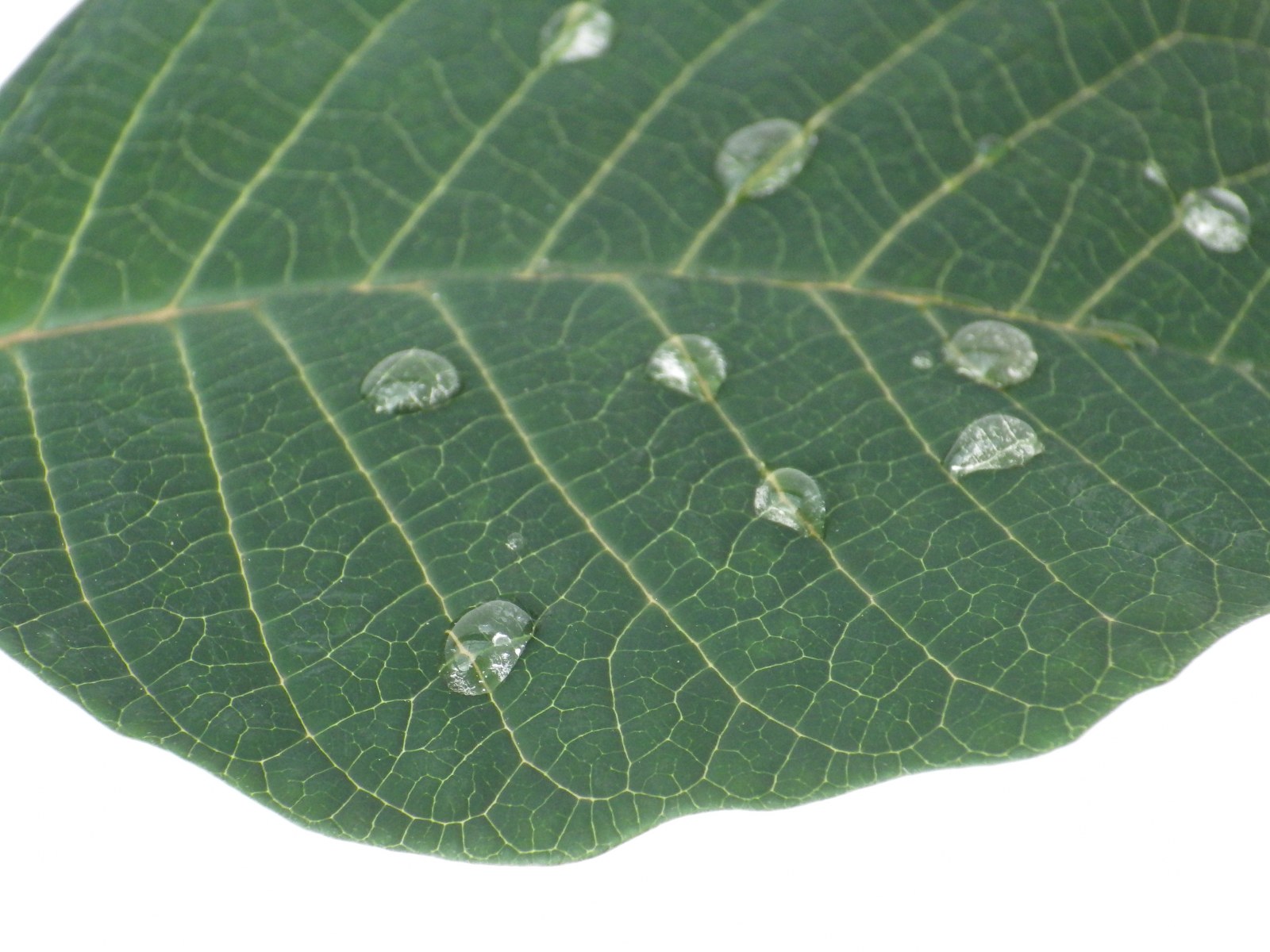
Food
Most soils contain a reserve of food so plants in the ground tend to be okay, plants grown in pots of compost will start off with a small amount of food but this is quickly used up and you will need to top it up as the plants grow.
Compost
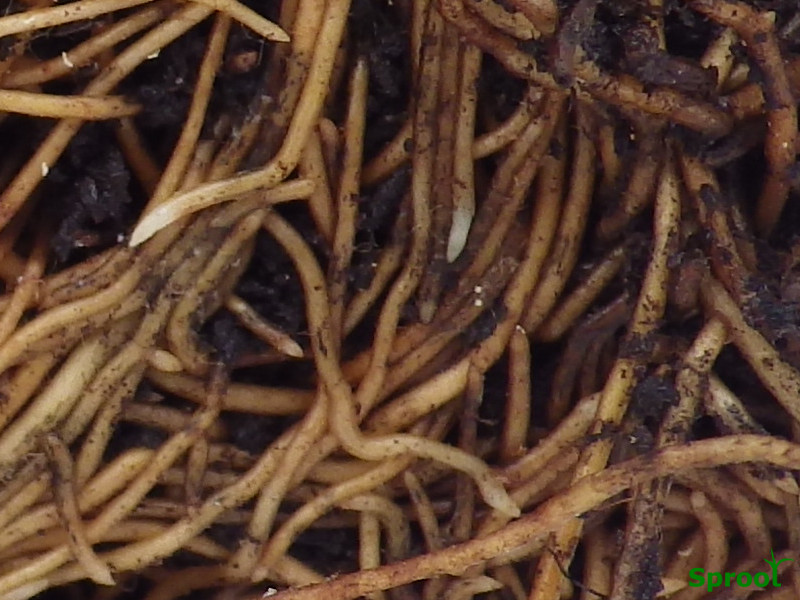
You forgot to mention compost ! plants only need compost for support it is possible to grow plants without compost (hydroponics for instance) but as this is only for experts you should use compost. It is worth mentioning at this point what we want the compost to do, it should keep water and food ready for the plant as it grows, contain air spaces for the roots to grow and be firm enough to hold the plant up. not that complicated but wait till you go to buy a bag, there are lots of different composts on sale some good some bad
Now we know the basics we can start
So first we need to decide what to grow, we have to consider temperature, some plants like the cosy life and need to be kept warm, others are happy to live outside all year. Yes I know it’s a bit confusing so I have split them into three rough groups.
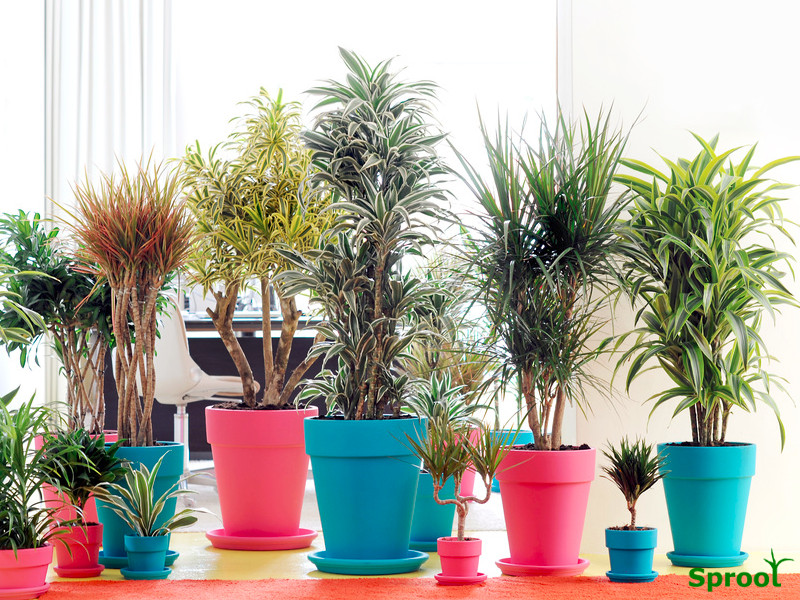
House plants
The stay at home type, they might venture out for a while if it is nice and warm, but normally they stay inside with one hand on the central heating thermostat.
Summer plants
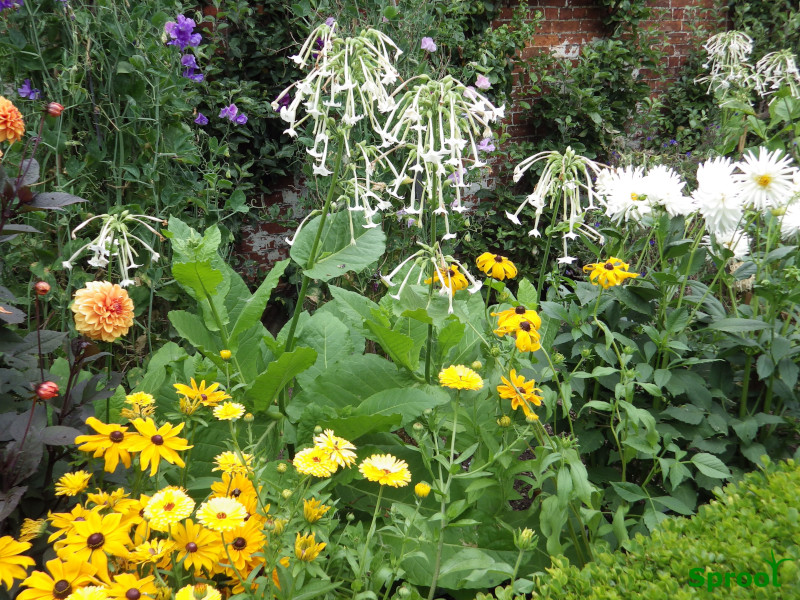
The “Fairweather friends.” They grow, flower, and die in one year. Often called annuals. They are happy to venture outside but only in the summer, they are the kind of plant that would dip its toe in the water to check the temperature before leaping in.
Outside plants
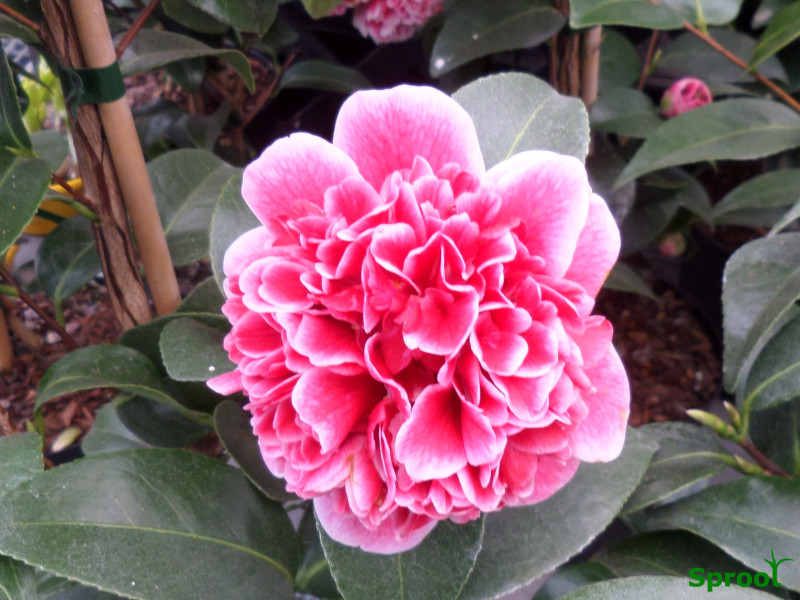
Perfectly happy outside in all weathers, sometimes they come inside but soon they start moaning about the heat. Best value for money. They get bigger every year.
If you are completely new to gardening try one of our easy projects.
lets start at the beginning
New Life
Try sowing seeds, the pure essence of gardening, bringing a seed to life is so rewarding.
Adopt a baby plant
You can buy baby plants to nurture and grow, learn about potting and start your new family. These are normally called plug plants
Bulbs
Nature’s wonder, easier to grow than seeds, they are almost foolproof and provide a perfect introduction to gardening.
Clone a plant
You can make an exact copy of a plant by inducing small parts of it to root. These are normally called cuttings. Some plants can be split when they are sleeping (dormant) into smaller pieces, these will already have roots established or just starting to grow. This is normally called division.
Keeping your plants healthy
When you have your plants growing, it’s time to look after their health. Plants that are under stress will struggle to grow, are more prone to diseases and may actually attract pests.
How could you stress a plant ?
Watering is the most likely cause, over or under watering will damage the roots and leaves allowing diseases to take hold.
Food, a poor weak plant lacking in nutrients and the reverse a highly fed plant with soft vigorous growth are both at risk from diseases
Conditions are more difficult to identify but the humidity and temperature that the plant is exposed to will also cause problems to start.
How can I prevent stress
Plants are like children when they are small they need constant attention, careful feeding and need to be kept at the right temperature, when they are older they can take a few knocks before complaining.
So what does this mean ?
4 things to check.
- 1 The most important thing is Light, the bringer of life, your plants need the sun to grow. If your plants look tall and spindly they need more light especially if they start leaning towards the window, they are trying to tell you something.
- 2 Watering is important, get in the habit of picking up your plants to test the weight, you will soon learn the difference between wet and dry, next check the roots are growing, look at the root tips, do they look healthy. If the roots are healthy, your plant is happy.
- 3 Food If the leaves are pale or stunted, or the roots look damaged or poor it might be food related, have they got enough to sustain growth or have you overfed them. If you think the feed is okay then it may be your over watering or lack of water to blame.
- 4 They may be too cold so we would then check the temperature. Now is a good time to buy a thermometer to get an accurate reading. The human body is useless for monitoring temperature.
Temperature
Remember our three types of plant, house, summer or outside plant, they all have a temperature range that they are happy with. If you grow them too warm or too cold problems will start.
For instance
Summer bedding plants are not happy when you try to grow them in the winter. Cold tolerant Alpine plants from the top of the Alps are not happy with our mild and wet climate.
For summer plants you need to wait till the summer. When does summer start ? nobody knows but by Mid May it is normally okay to plant outside, in the north it may be a bit later.
Our young summer plant needs to be kept warm until the summer starts. If you are happy to share your house with lots of plants you can start the summer ones off inside for planting out later, but it is vital that they are in a south facing window as they need the best quality sunlight. You will be glad to know they can spend the day outside during April and May and only come in if the weather is bad this gets them used to being outside.
Even better, why not invest in a greenhouse or conservatory? There are also inexpensive temporary plastic structures that offer some protection from the weather.
For House plants you will need a house, that’s handy you already live in one. Most houses have a temperature range of 16 degrees centigrade, time for a jumper, to 24 degrees, time to strip off. This is perfect for our house plant and most summer plants but it is too warm for our outside plant.
Outside plants need no special attention but the young plants benefit from a sheltered spot with some protection from the rain. You can plant container grown plants at any time of the year. In the summer they may need watering regularly to keep them alive. The more traditional time for planting from September until March allows the roots to develop in the soil and you will not need too much water as much in the summer. Outside plants have a seasonal rhythm.
Plants in the UK follow an internal clock based on day length and temperature:
- The Awakening (Spring): As the sunlight increases the soil warms up, roots start “waking up” and pumping sap. The day length increases
- The Sprint (Summer): Plants put all their energy into flowers to attract bees and make seeds. This is when they need the most water.
- The Shutdown (Autumn): As daylength reduces and the sun fades, perennials pull their energy back down into the roots for safekeeping. with some plants the leaves turn brown—this is normal!
- Dormancy (Winter): The plant is “hibernating.” Don’t poke it, don’t feed it, and only water it if it’s in a pot and the soil is bone dry.