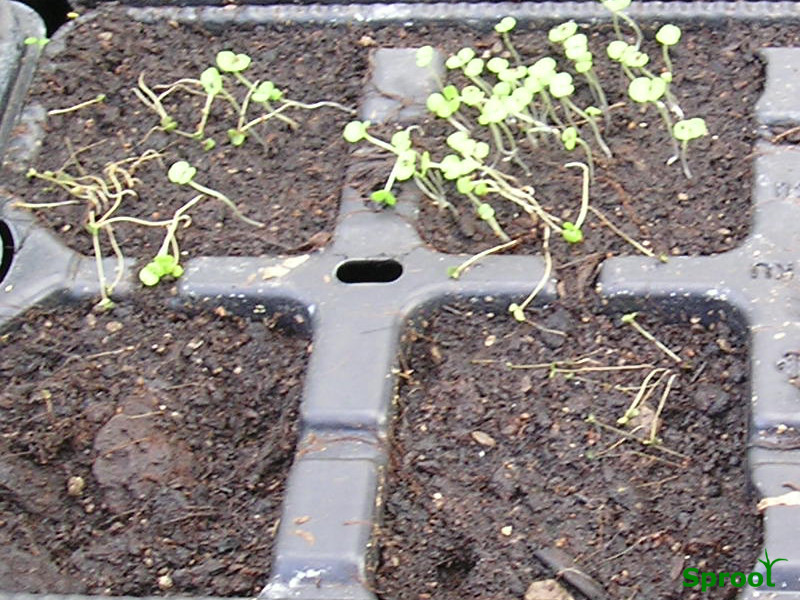
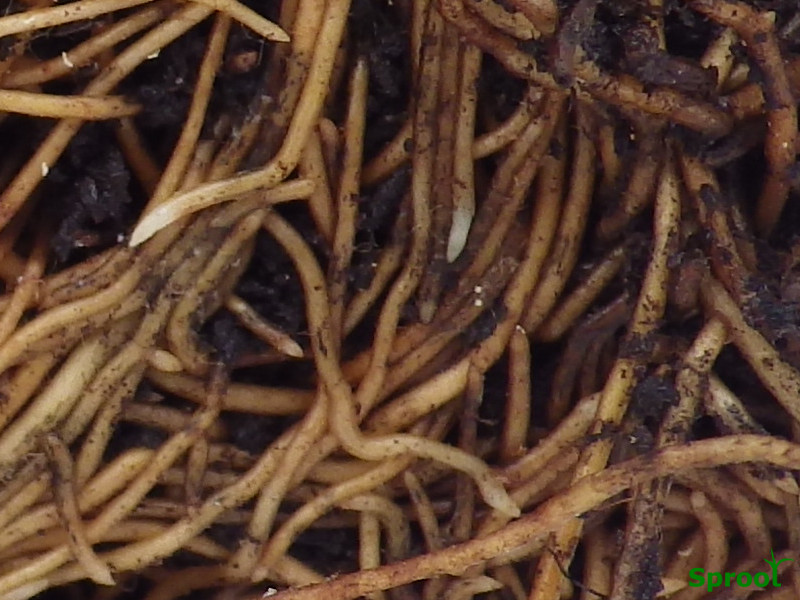
Root rot is a common problem in UK gardens and containers, caused by fungi or waterlogged soil. It damages plant roots, preventing them from taking up water and nutrients, and can quickly kill plants if not managed.
How to Spot Root Rot
- Leaves yellowing, wilting, or dropping
- Stems soft, discoloured, or mushy at the base
- Plants stopping growth or looking weak despite watering
- Roots are often brown, black, or slimy instead of firm and white
Why It Happens
Root rot thrives when plants are:
- Overwatered or planted in poorly draining soil
- Growing in pots without drainage holes
- Stressed, overcrowded, or weakened
What Helps
- Use well-draining compost in pots and raised beds
- Ensure pots have drainage holes
- Avoid overwatering—let the top of the soil dry between watering
- Remove and discard badly affected plants to prevent spread
Biological & Preventative Measures 🌿
- Some beneficial fungi or microbes (like Trichoderma) can protect roots naturally
- Plant in healthy, well-aerated soil to reduce fungal problems
- Rotate crops in vegetable beds to reduce build-up of pathogens
Top Tip
Healthy roots = healthy plants. Focus on drainage, careful watering, and choosing the right soil to prevent root rot before it starts. Early detection saves your plants!