How Often Should I Water?
The simple answer is: when your plants need it.
In reality, a few key things affect this.
Time of Year
- Summer: Plants use water every day. Pots dry out quickly and you’re more likely to underwater than overwater. If you do overwater, warm weather usually helps them dry out.
- Autumn, winter & spring: Be much more careful. Plants grow slowly and compost can take 3–4 weeks to dry. Only water when plants really need it.
- On the nursery, watering is done early in the morning, so foliage dries before night, reducing disease risk.
Size of the Plant
Think of it like bathing children:
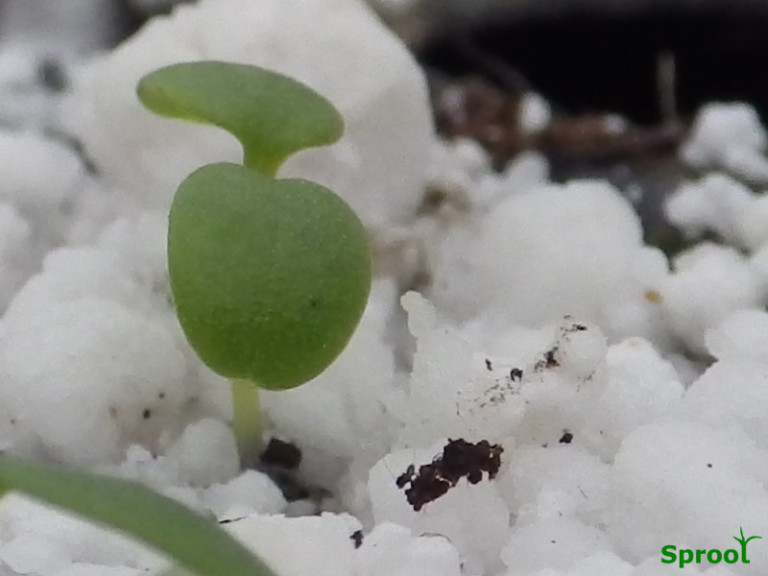
- Small or newly potted plants need gentle, careful watering because there’s more compost than root.
- Larger plants with bigger root systems can take more water and need it more often.
How Can I Tell If a Plant Is Dry?
- Plants often show a visible change before wilting—duller leaves, less bounce, slower growth.
- If ignored, leaves will wilt and it becomes obvious.
On the nursery, we often lift the pot:
- A dry pot feels much lighter than a wet one.
- Pick up a freshly watered plant for comparison—soon you’ll recognise the difference instinctively.
As an example, primroses:
- Dry (near wilting): ~114g
- Partially moist: ~165g
- Just watered: ~210g
You won’t weigh your plants at home, but feeling the weight difference quickly becomes second nature. Commercial tomato growers use the same principle, switching irrigation on and off by pot weight.
Moisture meters can also help, especially for checking deep compost where lifting isn’t practical.
How Do I Water?
Watering by Hand
Sounds simple—but technique matters. Using the wrong tool can wash compost away or miss the pot entirely.
Think of watering like types of rain:
Mist
- Used for cuttings, seedlings, and houseplants
- Keeps leaves hydrated and cool
- Not suitable for soaking compost
Drizzle
- Fine rose on a watering can or hose
- Ideal for seedlings and small plants
- Gives good control without disturbing compost
Heavy Rain
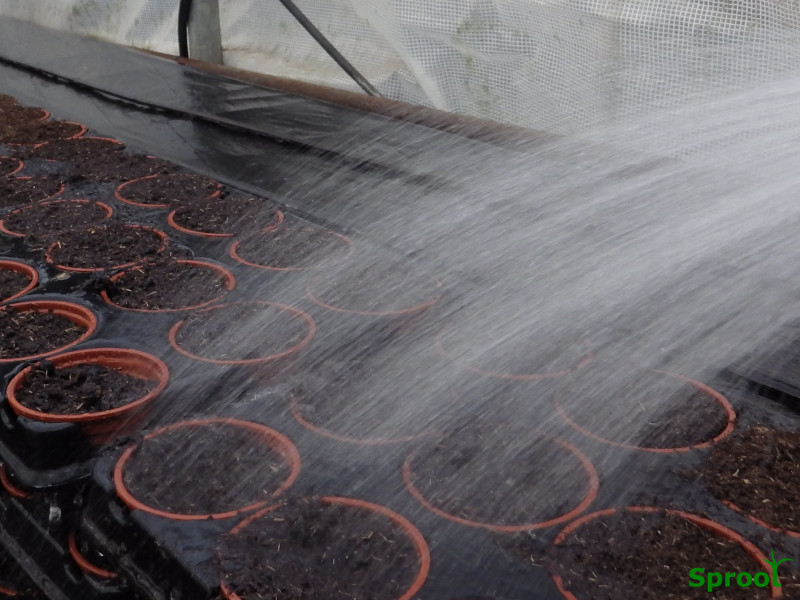
- Medium or coarse rose, sprinklers
- Good for established plants
- Too harsh for seedlings or newly potted plants
Downpour
- Hose with no rose
- Hard to control, uneven, wasteful
- Best avoided except in emergencies
Watering Systems
Many systems once used only on nurseries are now available for home gardeners:
- Capillary matting – supplies constant moisture from below (not for freshly potted plants)
- Flood benches – pots sit in water briefly, then drain
- Sprinklers – quick coverage but inefficient
- Drip irrigation – very efficient, perfect for pots, baskets, and patios
- Hosepipes – still useful for dry spots and new plantings
See our full Sproot watering systems guide for home options.
Water Quality Matters
On the nursery, water quality is carefully managed:
- Ideal pH: 5.5–6.5
- Low dissolved salts, especially lime
At Home:
- Soft water areas: You’re lucky—your tap water is close to ideal.
- Hard water areas: Lime builds up in compost, raising pH and causing lime-induced chlorosis (yellow leaves with green veins).
Best solution: collect rainwater
- Naturally low in salts
- Slightly acidic
- Helps balance compost pH
If chlorosis appears, use a foliar feed, as lime can lock nutrients in the compost and stop roots absorbing them.
STop Tip
Most watering problems aren’t about too much or too little water—they’re about timing, plant size, and drainage. Learn to watch your plants, feel the pot weight, and adjust with the seasons.