Pests and Diseases – Should I Worry?
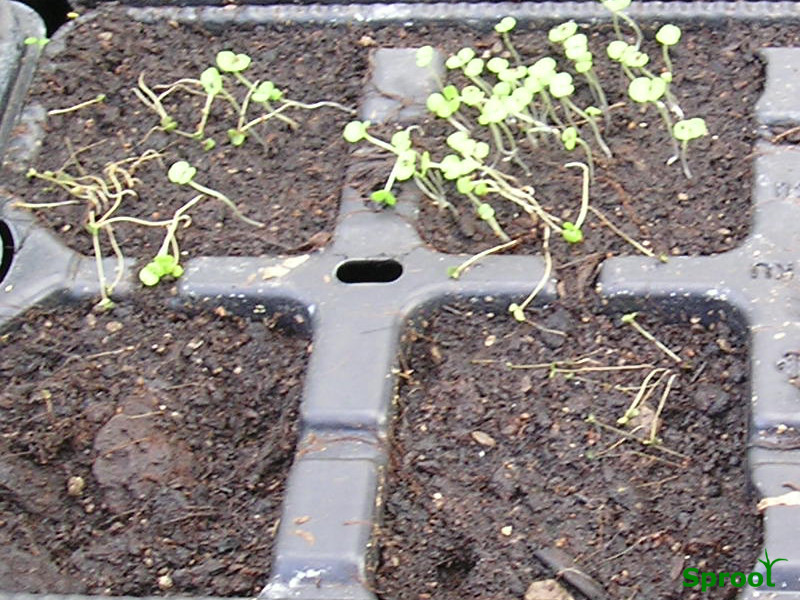
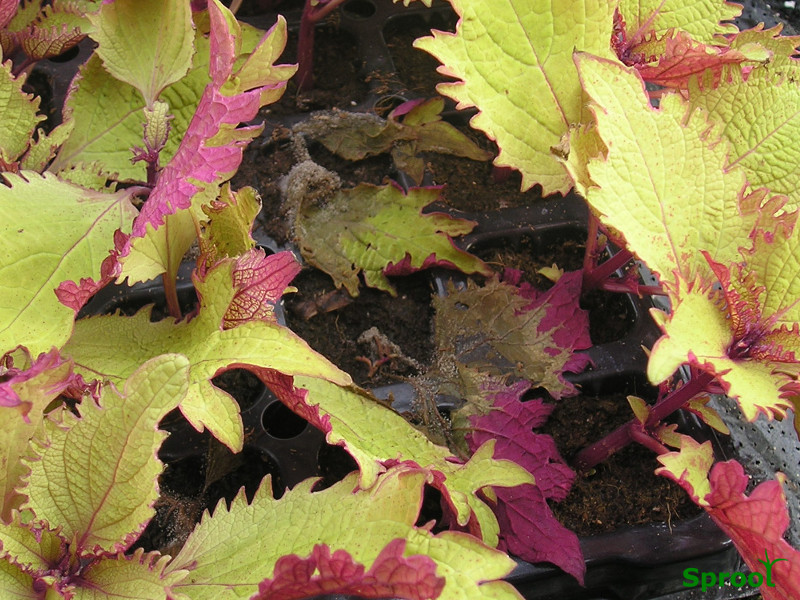
If you grow plants, it’s only a matter of time before nature pops in for a visit. Sooner or later you’ll spot a chewed leaf, a sticky stem, or something that just doesn’t look quite right.
The big question is: should you worry?
The honest answer is not always. Some problems are short-lived and cause very little harm. Others, if left alone, can slowly build up and become a real headache. Knowing which is which makes all the difference.
First Things First – What Is It?
Before reaching for a spray or panicking, try to work out what you’re dealing with.
- Take a clear photo of the problem
- Save it to your phone
- Use Google Lens to get a few ideas
Once you have a rough idea, it’s much easier to decide whether you need to act—or whether the plant will sort itself out.
Prevention Really Is Better Than Cure
Most pest and disease problems start with plant stress. Stressed plants are weaker, more likely to get sick, and often more attractive to pests.
What Stresses a Plant?
Watering issues
Too much or too little water damages roots and leaves, giving pests and diseases the chance to move in.
Feeding problems
- A hungry, underfed plant struggles to defend itself
- An overfed plant produces soft, lush growth that pests love
Growing conditions
Temperature and humidity matter more than you might think. High humidity, especially with poor airflow, is an open invitation to disease.
As a quick experiment, cover a plant with a plastic bag—after a few days, disease will often start to appear.
Keeping Plants Happy (and Tough)
Plants are a bit like children.
When they’re young, they need:
- Lots of attention
- Careful feeding
- Protection from cold and harsh weather
As they grow, they need something different. Getting them outside, letting them feel the wind and rain, helps toughen them up and makes them healthier in the long run.
Treat a teenager like a baby and you’ll soon hear about it.
Treat a baby like a teenager and social services might get involved.
What Does This Mean for Your Plants?
- Look after young plants carefully
- As they mature, don’t mollycoddle them
- Let them adapt to more natural conditions
One thing we’ve learned over the years is that most plant problems start with something small going wrong earlier on.
What Do We Check First?
When we spot a problem in the nursery, the roots are always the first thing we look at.
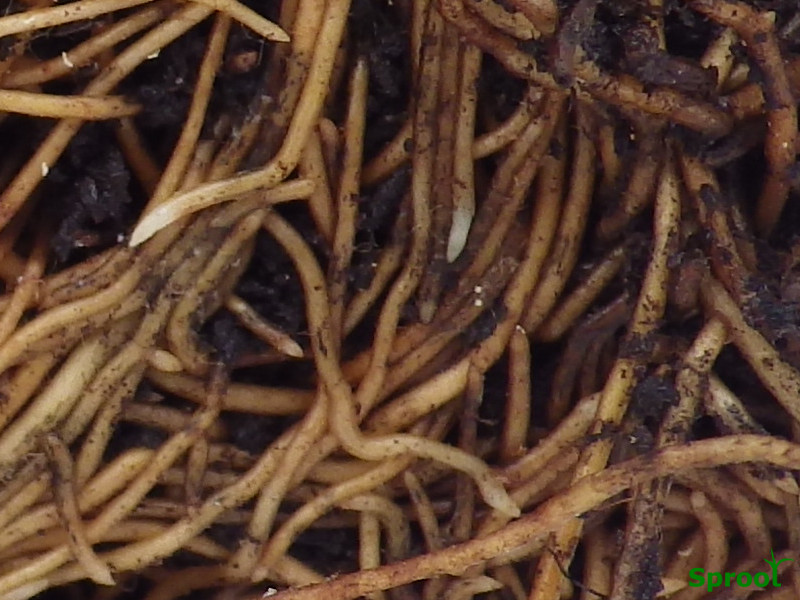
Healthy Roots = A Good Starting Point
- Are the roots growing well?
- Do the root tips look white and healthy?
If the roots look good, the issue is likely above ground.
If they don’t, ask yourself:
- Is feeding right—too much or too little?
- Is watering the issue?
- Are the plants too cold?
Temperature Matters
Every plant has a temperature range it’s happy with.
- Summer bedding plants won’t thank you for winter conditions
- Alpine plants from high mountains don’t enjoy our mild, wet climate
Growing plants outside their comfort zone nearly always leads to problems.
Don’t Forget About Air and Humidity
In the nursery, we keep a close eye on humidity and airflow. For example:
- Humidity over 90% for more than 3 hours can allow botrytis (grey mould) to take hold
- Good ventilation keeps humidity down and plants healthy
What Can You Do at Home?
A couple of simple steps help a lot:
- Fit an automatic vent opener to avoid extreme temperatures
- If your greenhouse isn’t heated, leave a vent open about ½ inch at night to keep air moving
Fresh air is one of the best (and cheapest) disease preventers there is.