How to Buy plants
Simple tips to help you choose plants that will thrive
Buying plants for the first time can feel daunting, but here’s the good news: plants are very forgiving and always try to grow. Most problems don’t start in your garden — they happen before you even get the plant home.
A plant’s past matters
The secret to how well a plant will grow lies partly in what it’s already been through. If plants could talk, they’d tell you their journey matters. At the nursery, plants are grown in near-perfect conditions. The trouble often begins when they are packed up and delivered. During transport, plants are usually stacked tightly together and kept in the dark. While in the dark, a plant can’t photosynthesise. It survives by using stored food reserves, and the longer it stays like this, the weaker it becomes. In simple terms, the clock is ticking.
Why timing makes a difference
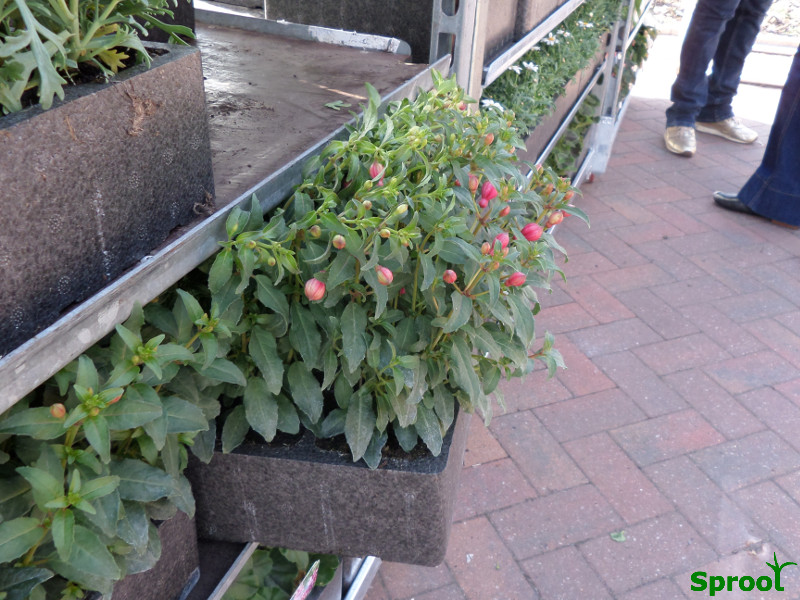
The sooner plants are delivered, unpacked, and returned to the light, the better they will perform. Long journeys, delayed unloading, and poor storage all add stress. That’s why local suppliers, quick delivery, and careful handling make such a difference. Plants that spend less time in the dark recover faster and continue growing strongly.
When plants leave the nursery, growers hope they’ll be unpacked quickly, given light and space, and protected from temperature extremes. Sadly, plants are sold in many different places — some excellent, others far less suitable.
Our guide Where to buy plants will help you.
A reassuring thought
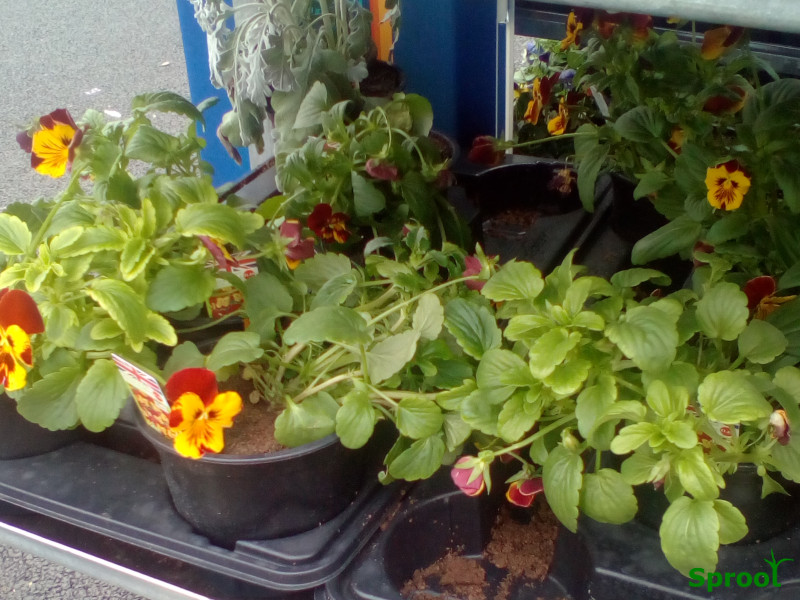
After over 40 years of growing and selling plants, one thing is clear: most plants will recover if given light, space, and a little care. Choosing where and how you buy makes a bigger difference than any feed or treatment later on.
Buy well, and you’re already halfway to success
This is our guide to choosing a plant when tempted.
You would like to think nobody would sell the wrong type of plant but it does happen. Some plants need special soil conditions or are not suitable for our climate and sometimes they are sold at the wrong time of the year.
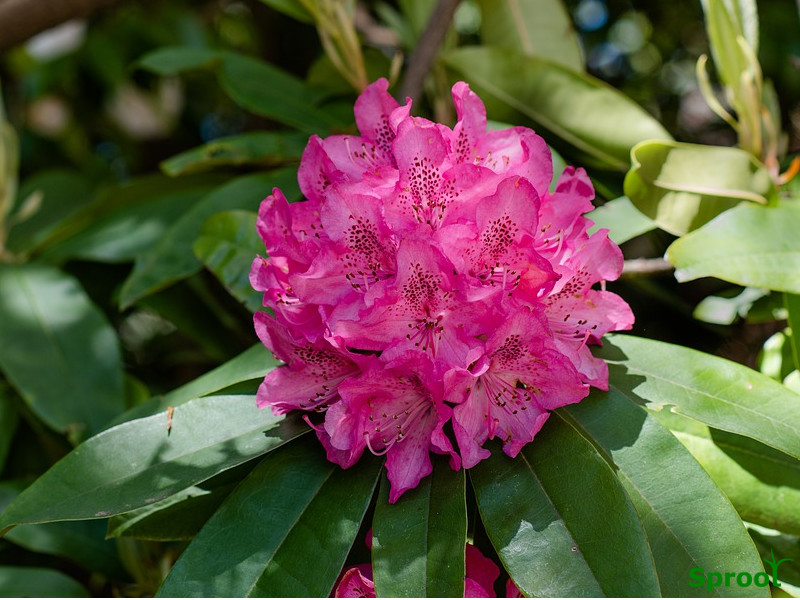
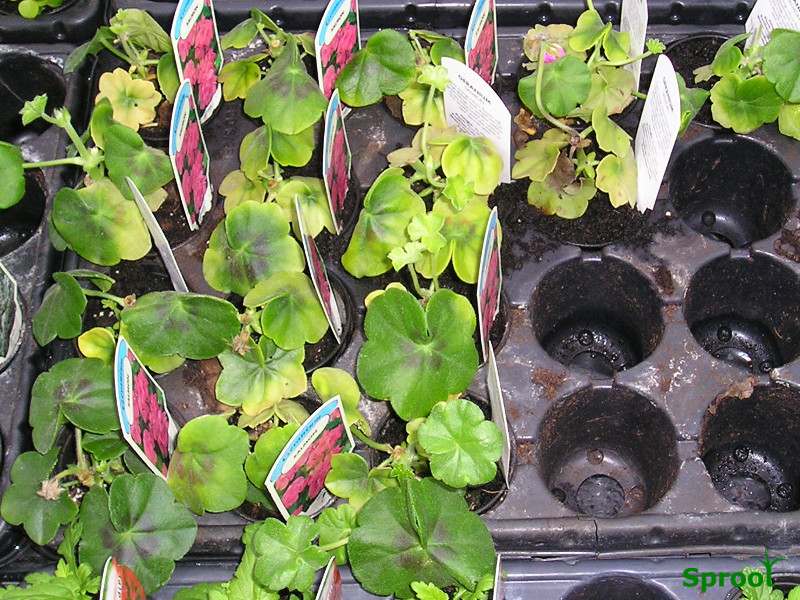
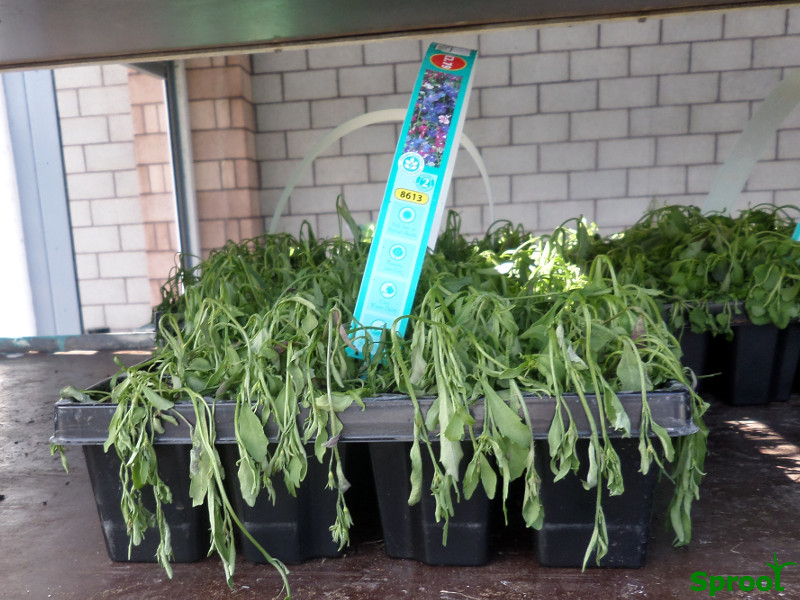
If the plant looks dry don’t buy it. When plants are allowed to dry out, especially to the point of wilting, the plant’s natural defence mechanisms are activated. Small plants and pack bedding are often the first to dry out
On the nursery plants are given the perfect conditions to grow.
When plants are delivered the plants are deprived of sunlight and the clock is ticking.
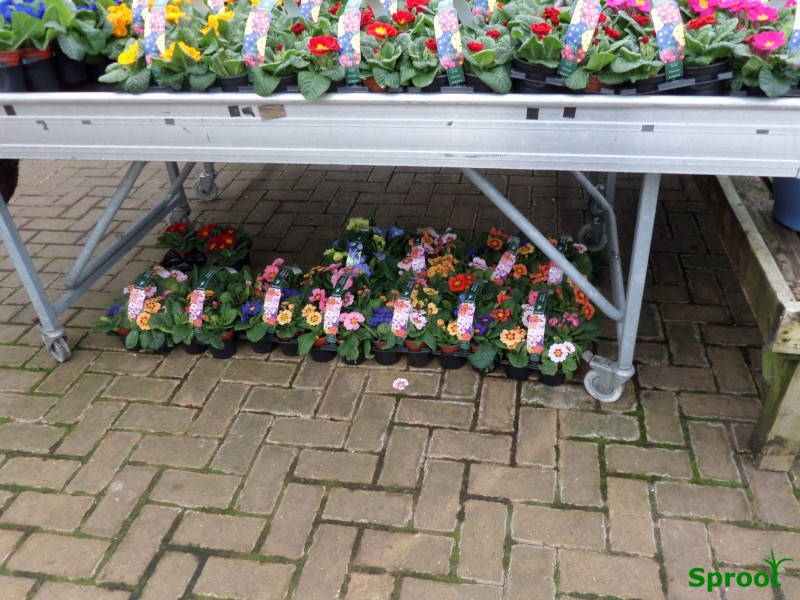
How to check if the plant is okay.
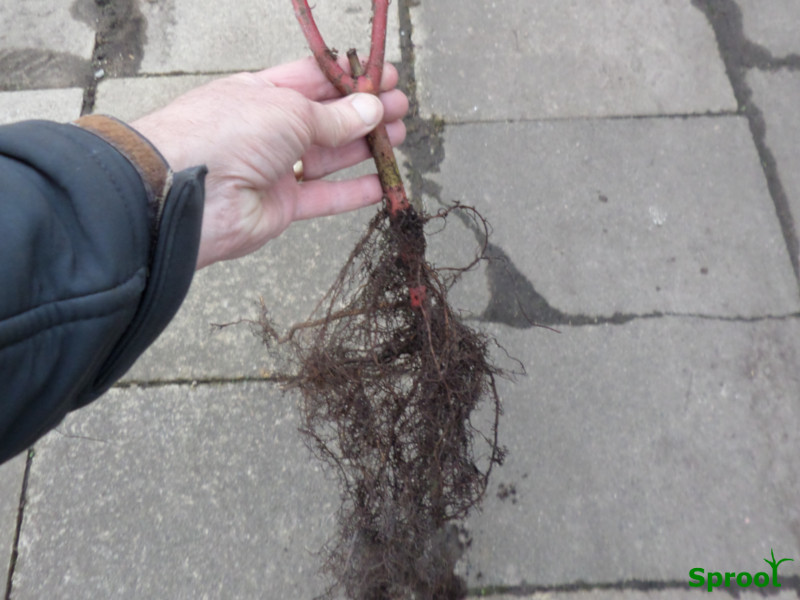
Why some plants are sold when they look dead, especially bare-root plants.
The number one question in the garden centre. Is it hardy?
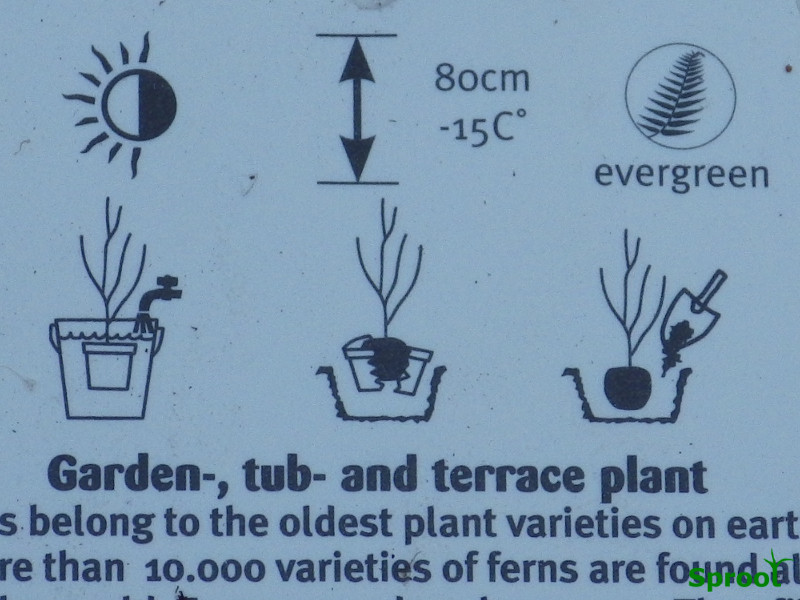
Some plants are tough and will happily take whatever the British weather can throw at it, others need to be kept warm or should be planted out in the summer. You can’t tell by just looking at the plant, you need to read the labels or research it before buying.